
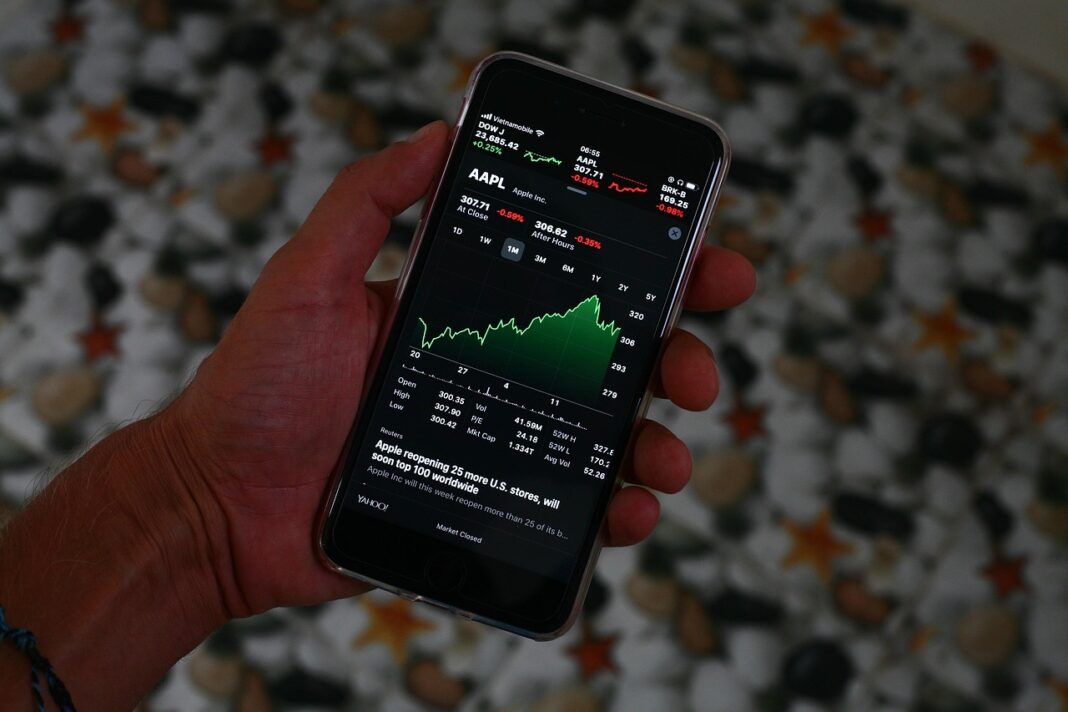
Navigating the world of Forex trading can feel like entering a complex maze. The sheer volume of information, strategies, and terminologies can be overwhelming for beginners. But fear not! Forex education is the key to unlocking the potential of this dynamic market and transforming your trading aspirations into reality. This comprehensive guide will provide a structured path to understanding Forex trading, equipping you with the knowledge and skills needed to make informed decisions and navigate the market with confidence.
Understanding the Forex Market
What is Forex?
Forex, short for Foreign Exchange, is the global marketplace where currencies are traded. It’s the largest and most liquid financial market in the world, with trillions of dollars changing hands daily. Unlike stock exchanges, Forex operates 24 hours a day, five days a week, allowing traders from around the globe to participate.
- Decentralized: Forex has no central exchange or clearinghouse. Trading happens electronically over-the-counter (OTC).
- High Liquidity: The vast volume of transactions makes it easy to buy and sell currencies quickly and efficiently.
- 24/5 Operation: Trading is continuous, excluding weekends, allowing flexibility for traders in different time zones.
Key Players in the Forex Market
The Forex market is populated by a diverse range of participants, each with their own motivations and strategies.
- Central Banks: Influence currency values through monetary policy and intervention. For example, the Federal Reserve (Fed) in the US or the European Central Bank (ECB).
- Commercial Banks: Facilitate international transactions and engage in proprietary trading.
- Hedge Funds and Investment Firms: Speculate on currency movements and manage large portfolios.
- Corporations: Exchange currencies for international trade and investment purposes.
- Individual Traders: Participate in the market for profit, using various strategies and risk management techniques.
Currency Pairs: The Basics
Forex trading involves buying one currency and simultaneously selling another. Currencies are always traded in pairs, such as EUR/USD (Euro/US Dollar) or GBP/JPY (British Pound/Japanese Yen).
- Base Currency: The first currency in the pair (e.g., EUR in EUR/USD). This is the currency you are buying.
- Quote Currency: The second currency in the pair (e.g., USD in EUR/USD). This is the currency you are selling.
- Exchange Rate: The price of one unit of the base currency in terms of the quote currency. For example, if EUR/USD is 1.1000, it means one Euro is worth 1.10 US Dollars.
Fundamental Analysis in Forex
Understanding Economic Indicators
Fundamental analysis involves evaluating economic, social, and political factors that can influence currency values. Key economic indicators provide insights into a country’s economic health.
- Gross Domestic Product (GDP): Measures the total value of goods and services produced in a country. A strong GDP indicates a healthy economy.
- Inflation Rate: Measures the rate at which prices are rising. High inflation can erode purchasing power and weaken a currency.
- Interest Rates: Set by central banks, interest rates influence investment flows and currency values. Higher interest rates tend to attract foreign investment, strengthening the currency.
- Employment Data: Provides insights into the labor market, including unemployment rates and job creation. Strong employment data signals a healthy economy.
- Trade Balance: Measures the difference between a country’s exports and imports. A trade surplus (more exports than imports) can strengthen the currency.
Political and Geopolitical Events
Political stability and geopolitical events can significantly impact currency values.
- Elections: Election outcomes can influence economic policies and investor sentiment.
- Geopolitical Tensions: Conflicts, trade wars, and political instability can create uncertainty and volatility in the Forex market.
- Government Policies: Fiscal and monetary policies implemented by governments can impact currency values.
Applying Fundamental Analysis: A Practical Example
Let’s say the US Federal Reserve (Fed) announces an unexpected increase in interest rates.
- Impact: Higher interest rates tend to attract foreign investment into US dollar-denominated assets.
- Expected Outcome: The US dollar is likely to strengthen against other currencies.
- Trading Strategy: Traders might consider buying USD against currencies like EUR or JPY.
Technical Analysis for Forex Traders
Chart Patterns and Candlesticks
Technical analysis involves studying historical price charts to identify patterns and predict future price movements.
- Chart Patterns: Visual formations on price charts that suggest potential future price movements. Examples include Head and Shoulders, Double Top/Bottom, and Triangles.
- Candlestick Patterns: Represent price movements over a specific period. Common patterns include Doji, Engulfing, and Hammer patterns, which can signal potential reversals or continuations.
- Example: A “Head and Shoulders” pattern suggests a potential reversal from an uptrend to a downtrend. Traders might look for confirmation signals, such as a break below the neckline, before entering a short position.
Indicators and Oscillators
Indicators and oscillators are mathematical calculations based on price and volume data that provide insights into market trends and momentum.
- Moving Averages (MA): Smooth out price data to identify trends.
- Relative Strength Index (RSI): Measures the magnitude of recent price changes to evaluate overbought or oversold conditions.
- Moving Average Convergence Divergence (MACD): Identifies changes in the strength, direction, momentum, and duration of a trend in a stock’s price.
- Fibonacci Retracement: Identifies potential support and resistance levels based on Fibonacci ratios.
Trendlines and Support/Resistance Levels
Identifying trendlines and support/resistance levels is crucial for determining potential entry and exit points.
- Trendlines: Lines drawn on a chart that connect a series of highs (downtrend) or lows (uptrend).
- Support Levels: Price levels where buying pressure is strong enough to prevent the price from falling further.
- Resistance Levels: Price levels where selling pressure is strong enough to prevent the price from rising further.
Risk Management in Forex Trading
The Importance of Risk Management
Risk management is paramount in Forex trading. It involves strategies to protect your capital and minimize potential losses.
- Preservation of Capital: The primary goal is to avoid significant losses that can wipe out your trading account.
- Emotional Control: Risk management helps you avoid making impulsive decisions driven by fear or greed.
- Long-Term Sustainability: By managing risk effectively, you can increase your chances of long-term profitability in the Forex market.
Setting Stop-Loss Orders
A stop-loss order is an instruction to your broker to automatically close a trade if the price reaches a specified level.
- Purpose: To limit potential losses on a trade.
- Placement: Stop-loss orders should be placed at levels where the trade idea is invalidated.
- Example: If you buy EUR/USD at 1.1000 with a target of 1.1100, you might place a stop-loss order at 1.0950 to limit your potential loss.
Position Sizing and Leverage
Position sizing determines the amount of capital you allocate to a trade. Leverage allows you to control a larger position with a smaller amount of capital.
- Position Sizing: Risk only a small percentage of your trading capital on each trade (e.g., 1-2%).
- Leverage: Use leverage cautiously, as it can magnify both profits and losses.
- Example: With a $10,000 trading account and a 1% risk tolerance, you should only risk $100 on each trade.
Risk-Reward Ratio
The risk-reward ratio compares the potential profit of a trade to its potential loss.
- Ideal Ratio: Aim for a risk-reward ratio of at least 1:2 or 1:3.
- Calculation: Divide the potential profit by the potential loss.
- Example: If you risk $100 on a trade with a potential profit of $300, the risk-reward ratio is 1:3.
Forex Trading Strategies
Scalping
Scalping involves making numerous short-term trades to profit from small price movements.
- Timeframe: Typically uses very short timeframes, such as 1-minute or 5-minute charts.
- Frequency: Traders execute many trades throughout the day.
- Goal: To accumulate small profits from each trade.
- Risk Management: Requires tight stop-loss orders to limit potential losses.
Day Trading
Day trading involves opening and closing trades within the same trading day.
- Timeframe: Uses intraday charts, such as 15-minute or 1-hour charts.
- Holding Time: Trades are typically held for a few hours.
- Focus: On capturing price movements driven by news events or technical patterns.
Swing Trading
Swing trading involves holding trades for several days or weeks to profit from larger price swings.
- Timeframe: Uses daily or weekly charts.
- Holding Time: Trades can be held for several days or weeks.
- Focus: On capturing intermediate-term trends.
- Patience: Requires patience and the ability to withstand short-term fluctuations.
Position Trading
Position trading involves holding trades for several weeks, months, or even years to profit from long-term trends.
- Timeframe: Uses weekly or monthly charts.
- Holding Time: Trades can be held for several weeks, months, or even years.
- Focus: On capturing long-term trends based on fundamental analysis.
- Patience: Requires significant patience and the ability to withstand market volatility.
Conclusion
Forex education is an ongoing journey. By understanding the fundamentals of the Forex market, mastering technical and fundamental analysis, implementing robust risk management strategies, and exploring different trading styles, you can increase your chances of success in this dynamic and rewarding market. Remember to start with a demo account, practice consistently, and never stop learning. The path to becoming a successful Forex trader requires dedication, discipline, and a commitment to continuous improvement. Good luck, and happy trading!